

Tire tread depth is easy to ignore until the road gets wet or the car starts to feel less stable. The tread on your tires is not just there for looks. It helps your tires grip the road, push water away, and stop safely. When tread gets too low, your vehicle can lose traction faster, especially during rain or sudden braking.
That is why checking tire tread depth should be part of basic car care.
Tread depth is the measurement of how much usable rubber remains in the tire grooves. New tires usually have deeper tread. As you drive, the tread slowly wears down. Once it gets too shallow, the tire cannot perform the way it should.
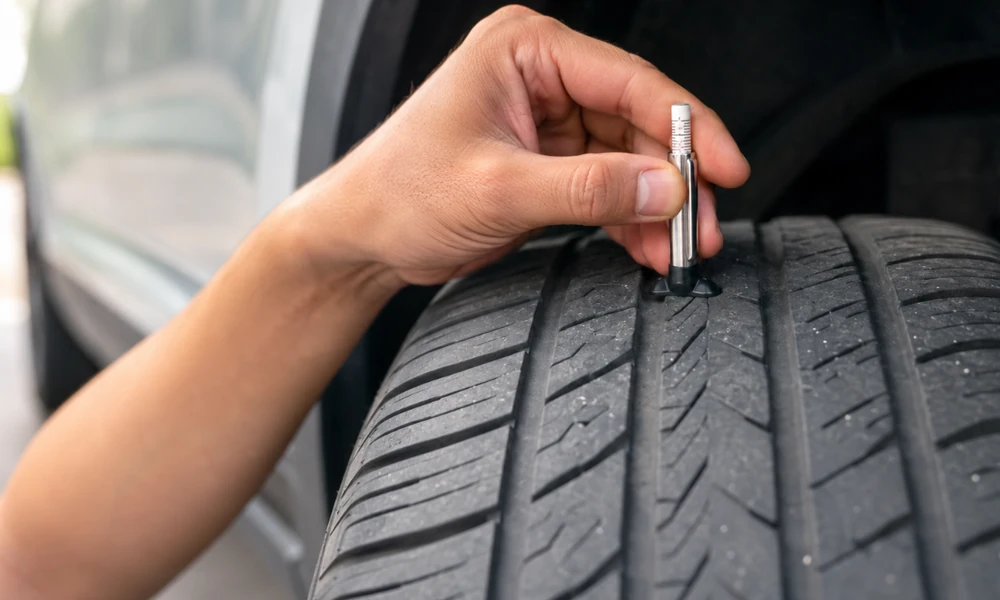
One of the easiest ways to check tread depth is with a tread depth gauge. This small tool gives a more accurate reading than guessing by sight. Place the gauge into the main tread groove, press it flat against the tire, and read the measurement. Check several spots across the tire because tread does not always wear evenly.
If you do not have a gauge, you can use a coin test as a quick check. In the United States, many drivers use a penny. Place the penny into the tread groove with Lincoln’s head facing down. If you can see the top of his head, the tread is too low and the tire should be inspected or replaced soon.
A quarter test can also help you check earlier. If the tread does not reach Washington’s head, the tire may still be legal in some places, but it may already be losing wet-road performance. Waiting until the tire is fully worn down is not the safest plan.
The common minimum tread depth is 2/32 of an inch. At that point, tires are considered worn out. But safety can become a concern before then. Wet traction often drops as tread gets lower. A tire with shallow tread needs more distance to stop on wet roads.
Tread depth should also be checked across the full tire. If the center wears faster than the edges, the tire may be overinflated. If both edges wear faster, it may be underinflated. If one side wears more than the other, alignment or suspension problems may be involved.
Uneven wear is important because it can point to a bigger issue. Replacing tires without fixing the cause may lead to the same problem again.
You should also look for other warning signs while checking tread. Cracks, bulges, cuts, exposed cords, or objects stuck in the tire need attention. A tire can have decent tread depth and still be unsafe if the structure is damaged.
Check your tire tread at least once a month and before long trips. It only takes a few minutes. It is also smart to check after hitting a pothole, driving through debris, or noticing vibration, pulling, or poor handling.
Rainy conditions make tread depth even more important. Tread grooves help move water out from under the tire. When the tread is too shallow, water has nowhere to go. This increases the risk of hydroplaning, which happens when the tire rides on top of water instead of gripping the road.
Good tread also helps with braking. In an emergency stop, every bit of grip matters. Worn tires may not respond quickly enough, and that can turn a close call into a serious problem.
The best habit is to check early, not when the tire already looks bald. A tire that looks “okay” from a distance may be worn when measured closely. A simple tread check gives you a clearer answer.
Reading tire tread depth is not complicated. Use a gauge, check several spots, watch for uneven wear, and pay attention to how your car feels on the road. If the tread is low or the wear pattern looks unusual, have the tires inspected.
A few minutes of checking can help prevent poor traction, longer stopping distance, and unexpected tire trouble. Tire tread depth may seem like a small detail, but it plays a big role in keeping every drive safer.
This post was written by a professional at Tires2Go Florida. Tires2Go Florida is a trusted automotive service center located in Pinellas Park, Florida, serving drivers across St. Petersburg, Tampa, Clearwater, and Largo. Our certified mechanics handle auto repair St Petersburg FL, tire and wheel replacement, brake service, suspension repairs, oil changes, wheel alignments, tire balancing, and road force balancing. We also specialize in ADAS calibration, suspension modifications, lift kits, and lowering kits using quality parts and modern diagnostic equipment. From routine maintenance to advanced automotive services, Tires2Go Florida provides dependable solutions and tires for sale for vehicles throughout the Tampa Bay area.