

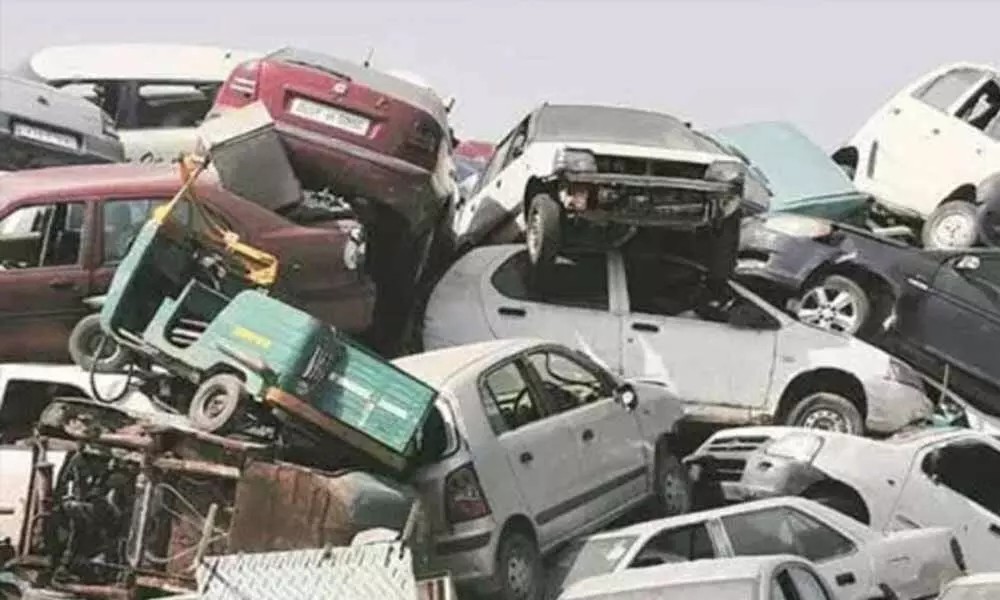
Scrap car Singapore operations process thousands of vehicles annually through a system that remains largely invisible to most motorists until the moment they need it. Behind the straightforward transaction of handing over your keys and receiving payment lies an intricate network of regulations, economic calculations, and environmental protocols that few vehicle owners fully comprehend. After spending months investigating how this industry actually functions in 2026, I’ve uncovered details that reveal both the efficiency of Singapore’s approach and the vulnerabilities that can trap unwary consumers.
The Regulatory Framework That Governs Everything
Singapore’s vehicle scrapping system exists within one of the world’s most tightly controlled automotive markets. The Land Transport Authority doesn’t merely suggest guidelines; it mandates strict procedures that govern every aspect of vehicle disposal. When your Certificate of Entitlement expires after ten years, or you decide to deregister earlier, you enter a process designed to balance environmental protection with economic efficiency.
The LTA requires all vehicles to be properly deregistered before physical scrapping occurs. This sequence matters critically because it determines when and how you receive your rebates. Vehicles under ten years old qualify for PARF rebates calculated based on the original Additional Registration Fee paid. Older vehicles receive COE rebates based on remaining COE value. These aren’t negotiable amounts subject to dealer discretion; they’re fixed calculations verifiable through official channels.
Inside the Dealer’s Assessment Process
When you contact a dealer about navigating Scrap car Singapore, what happens next reveals much about their operational sophistication. The best dealers have refined their assessment protocols to near-scientific precision. They input your vehicle details into systems that cross-reference current scrap metal commodity prices, calculate rebate entitlements, and factor in operational costs.
“Vehicle weight drives the base scrap value calculation,” explains one industry insider willing to speak candidly. “But dealers also assess salvageable components. A functional gearbox or electronic system adds value beyond mere metal weight.”
This evaluation occurs rapidly, often within hours. But speed doesn’t equal accuracy. I’ve documented cases where dealers provided wildly different valuations for identical vehicles assessed on the same day. One seven-year-old sedan received quotes ranging from $16,200 to $18,900, a $2,700 spread that defies explanation beyond varying profit margins and assessment competence.
The Collection and Transport Phase
Once you accept an offer, Singapore scrap car dealers dispatch collection teams. This stage appears straightforward but involves calculated logistics. Dealers operating multiple daily collections route drivers efficiently across the island, minimising transport costs that impact their bottom lines.
Your vehicle doesn’t go directly to a shredder. Instead, it arrives at the dealer’s processing facility, where several critical steps occur:
- Initial documentation verification confirming your identity and ownership
- Physical inspection comparing actual condition against your description
- Removal of hazardous materials including fluids, batteries, and air conditioning refrigerants
- Extraction of valuable components for resale or recycling
- Preparation for final metal recycling
This intermediate phase often spans 24 to 48 hours. During this window, unscrupulous dealers occasionally claim to discover “condition issues” justifying price reductions. Without photographic evidence documenting your vehicle’s state at handover, you lack recourse against such tactics.
The Deregistration Process Revealed
Deregistration represents the process’s bureaucratic core. Dealers submit required documentation to LTA electronically, including:
- Notice of transfer
- Vehicle inspection reports if applicable
- Payment confirmation of outstanding fees or fines
- Hazardous waste disposal certificates
LTA processes most deregistrations within one to three working days. The system’s efficiency impresses even seasoned observers of Singaporean bureaucracy. Once LTA confirms deregistration, your vehicle officially ceases to exist in the national registry. This triggers rebate calculations and authorises dealers to proceed with physical scrapping.
Payment Mechanics and Timing
Understanding payment timing requires recognising what triggers fund release. Reputable car scrapping dealers in Singapore follow this sequence:
1. Vehicle collection and initial inspection
2. Deregistration submission to LTA
3. LTA approval confirmation
4. Rebate calculation finalisation
5. Payment processing to your account
The interval between collection and payment typically spans four to seven working days for efficient operators. Delays beyond this timeframe warrant investigation. Some dealers deliberately extend payment periods to improve their cash flow, essentially using your money as interest-free working capital.
Payment methods vary. Bank transfers provide documentation and traceability. Cash payments, whilst less common in 2026, offer immediacy but lack paper trails. Insist on written receipts regardless of payment method.
Environmental Compliance Requirements
Singapore’s environmental regulations mandate proper disposal of automotive hazardous materials. Licensed scrap vehicle operators in Singapore must:
- Extract and properly dispose of engine oils, transmission fluids, and coolants
- Remove and recycle batteries through authorised channels
- Recover air conditioning refrigerants without atmospheric release
- Handle airbag disposal to prevent accidental deployment
- Recycle tyres through approved facilities
The National Environment Agency monitors compliance through periodic inspections and waste tracking systems. Unlicensed operators cutting corners on these requirements undermine Singapore’s environmental standards whilst saving costs they convert into marginally higher offers. The temptation to accept such offers comes with environmental consequences.
The Metal Recycling Endpoint
After component removal and fluid extraction, vehicle shells proceed to metal recycling facilities. Industrial shredders reduce cars to fist-sized fragments within minutes. Magnetic separators extract ferrous metals whilst eddy current systems recover aluminium and copper. The remaining material undergoes further processing to maximise recovery rates.
Singapore’s metal recyclers export most recovered materials, predominantly to regional steel mills. This connection to international commodity markets explains why scrap values fluctuate. When global steel prices rise, your vehicle’s worth increases accordingly.
Protecting Yourself in 2026
The scrapping process’s complexity creates opportunities for both efficiency and exploitation. Vehicle owners who understand each phase’s mechanics, verify dealer credentials, compare multiple quotations, and insist on written agreements position themselves to receive fair treatment. Those approaching scrapping as a mere inconvenience rather than a significant financial transaction often discover too late that their inattention proved costly.
The system works, but it works best for those who understand its mechanisms. Knowledge remains your most valuable asset when navigating Scrap car Singapore operations.